
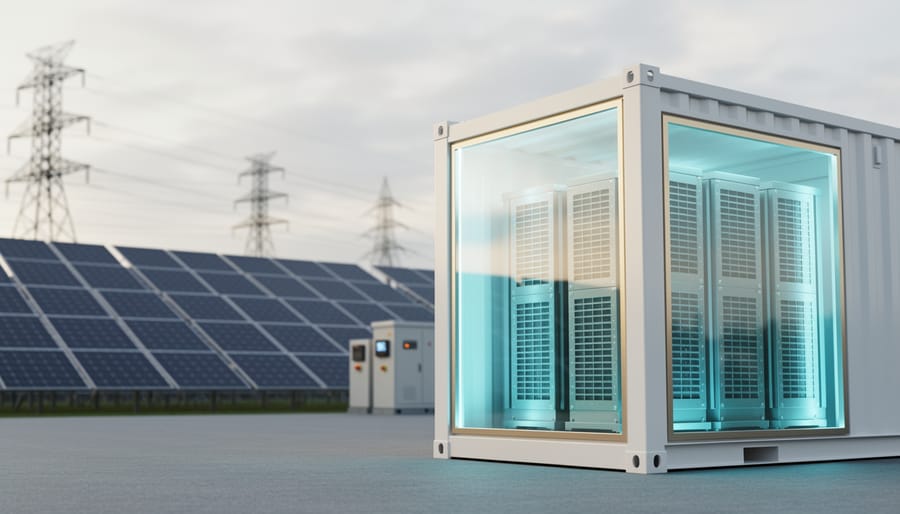
A fourth generation reactor, in the energy storage context, refers to advanced battery and thermal storage systems that integrate artificial intelligence, multi-chemistry architectures, and bidirectional grid capabilities to optimize renewable energy deployment. Unlike fourth generation nuclear reactors, which represent a class of advanced fission designs still under development, fourth generation energy storage reactors combine cutting-edge materials science with intelligent software to solve the intermittency challenges facing solar and wind installations in 2026.
The terminology creates understandable confusion. Nuclear engineers…
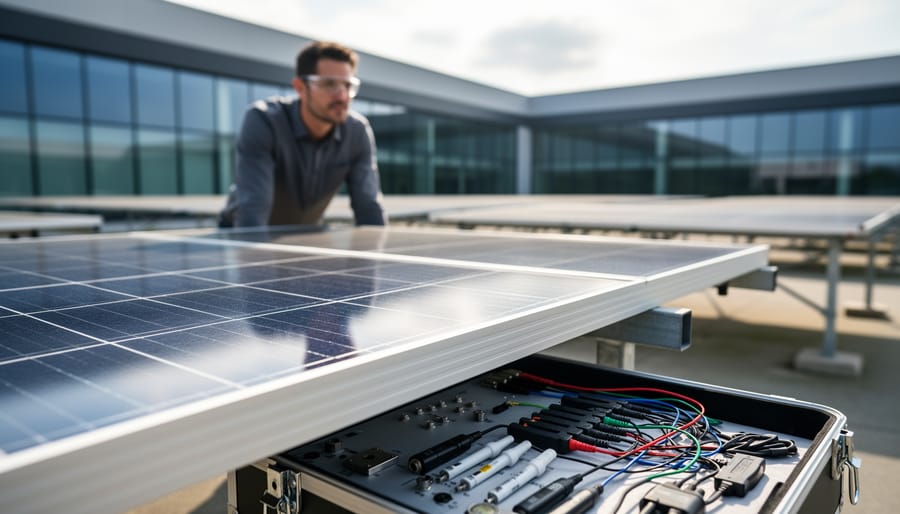
Research and development companies in the solar energy sector distinguish themselves through dedicated innovation labs, proprietary technology patents, and sustained investments in breakthrough photovoltaic materials that standard installers simply don’t pursue. These organizations channel 15-25% of their revenue back into R&D activities, compared to conventional providers who primarily focus on deploying existing technologies.
The distinction matters because R&D-driven companies are responsible for the efficiency gains and cost reductions that have transformed solar from a niche product into a mainstream energy …